


After application, the skin feels nourished, smooth, and velvety soft, with long-lasting hydration.
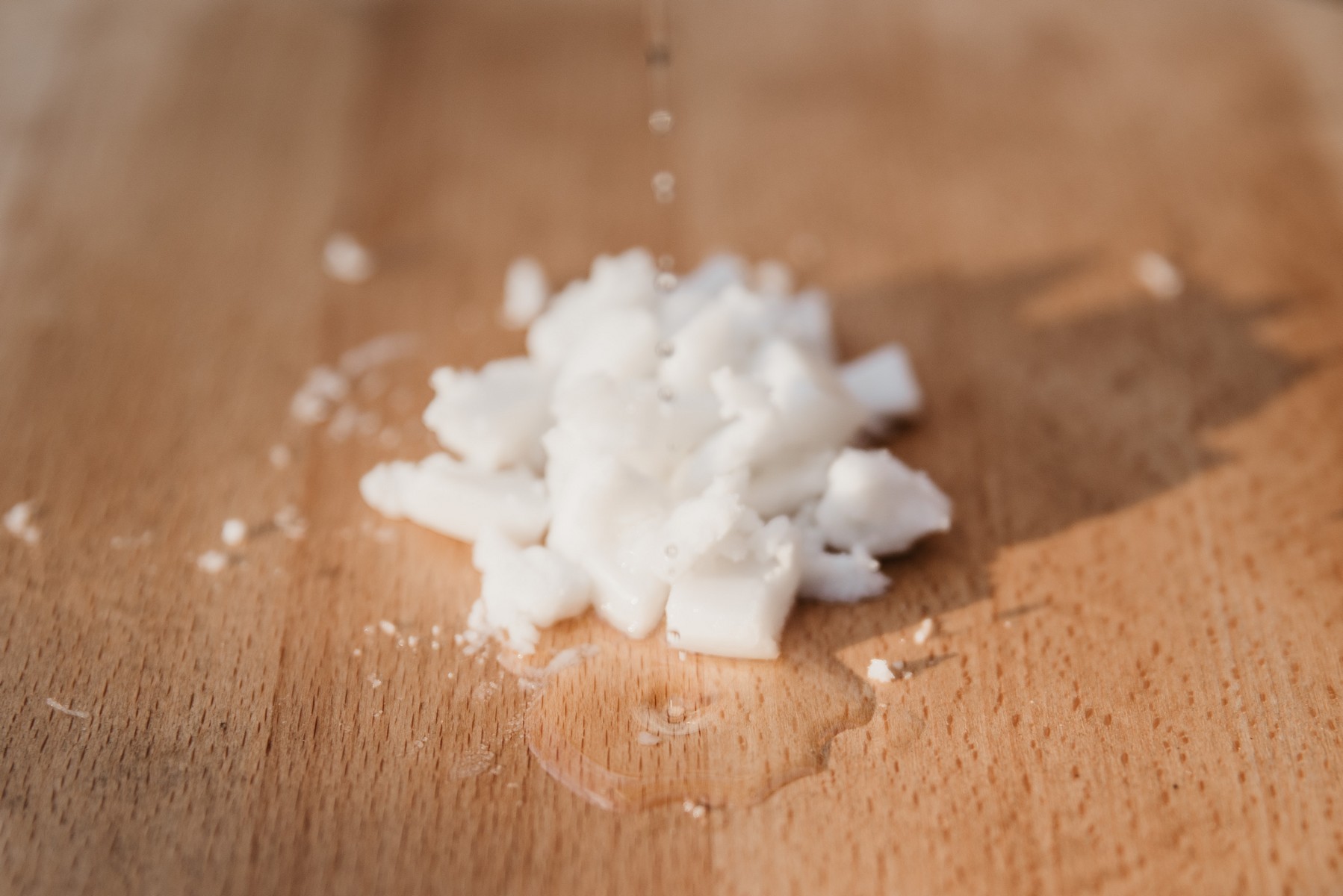
Coconut oil is a natural emollient rich in saturated fatty acids, particularly lauric, caprylic, and myristic acids, which possess antimicrobial and protective properties¹.
Thanks to its high content of medium-chain triglycerides (MCTs), it helps restore the skin’s lipid barrier, enhances hydration, and reduces transepidermal water loss, promoting softness and elasticity².
Coconut oil also exhibits anti-inflammatory and antioxidant activity, protecting cells from oxidative stress while soothing dryness and skin irritation³ ⁴.
- Verallo-Rowell VM, et al. Novel antibacterial and emollient effects of coconut and virgin olive oils in adult atopic dermatitis. Dermatitis. 2008;19(6):308–315.
- Lin TK, Zhong L, Santiago JL. Anti-inflammatory and skin barrier repair effects of topical plant oils. Int J Mol Sci. 2017;19(1):70.
- Evangelista MT, Abad-Casintahan F, Lopez-Villafuerte L. The effect of topical virgin coconut oil on SCORAD index, transepidermal water loss, and skin capacitance in mild to moderate pediatric atopic dermatitis: A randomized, double-blind, clinical trial. Int J Dermatol. 2014;53(1):100–108.
- Vaughn AR, et al. Natural oils for skin-barrier repair: Ancient compounds now backed by modern science. Am J Clin Dermatol. 2018;19(1):103–117
Makes the skin smooth, soft, and gives it a healthy glow.
Smoothness

Softness
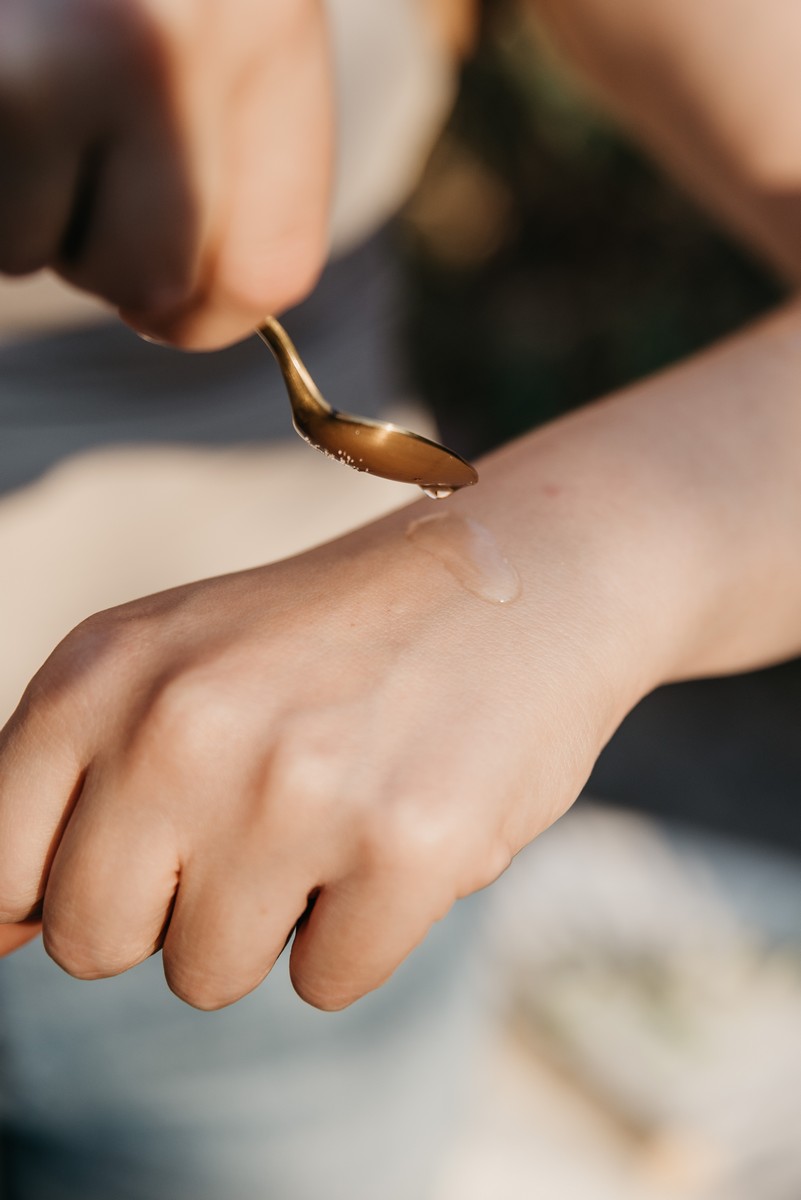
Hydration